
System fit before product hype
Start with the home, energy use, and project goals before comparing equipment.
A clearer first step for homeowners
Explore a solar installation plan around your roof, electricity use, future loads, storage goals, and property requirements.
Clear terms before you commit
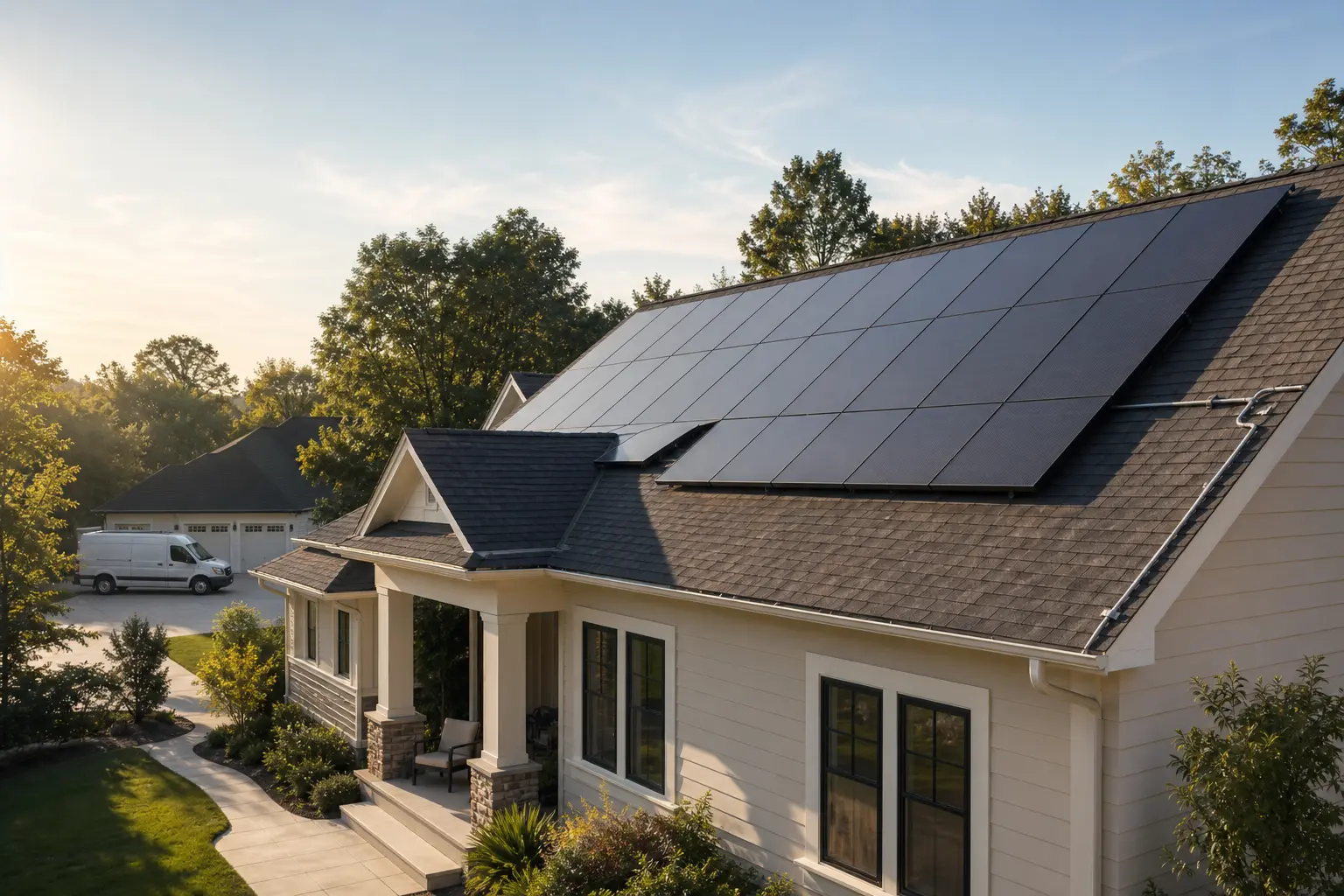 Example configuration
Start with the home, energy use, and project goals before comparing equipment.
See where solar-only and solar-plus-battery architectures solve different needs.
Request sales follow-up without needing to know which installer or product fits first.
Questions to resolve before choosing
Roof condition, shade, electrical capacity, local rules, and changing household loads can all affect whether a proposed system is practical.
A complete project
Site measurements, roof and electrical review, system design, permits, interconnection, installation, inspection, commissioning, and monitoring setup may all be part of the written scope.
Understand the installation process →Proposal checkpoint
Confirm exact equipment, electrical work, roof work, permitting responsibilities, exclusions, and change-order terms in writing.
Homeowner examples
These examples show why the assessment begins with household needs. They are not fixed designs or savings promises.
Current bills, heating and cooling loads, and daytime usage help frame an appropriate solar range.
Future charging may justify evaluating added solar capacity and electrical service at the same time.
Coordinating roof work before or with solar can avoid unnecessary panel removal and reinstallation.
A provider can model usable roof areas, alternate placement, or whether solar is a poor fit.
A measured process
The short request starts a conversation. Final design, price, availability, and installation scope require property and provider review.
Share the type of project and a valid five-digit ZIP.
Tell us how the sales team can follow up with you.
Our team reviews the location, project interest, and any product you selected.
Any available provider must confirm design, pricing, eligibility, and terms in writing.
System examples
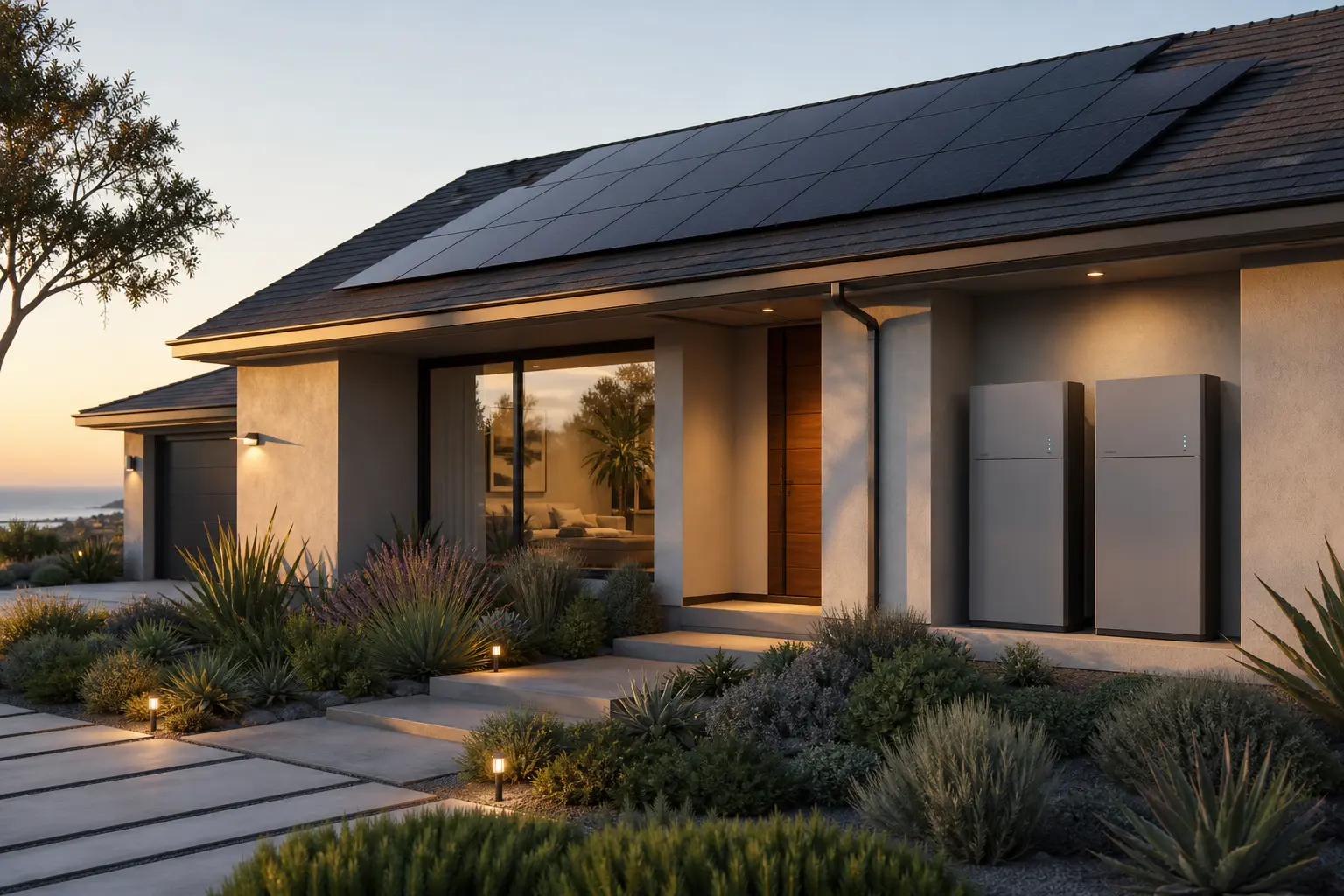 Example configuration
Premium California configuration
Homes on time-of-use rates can produce solar before evening demand peaks, while an outage plan can fall short when storage and backed-up loads are chosen separately.
$44,500–$52,000 installed estimate
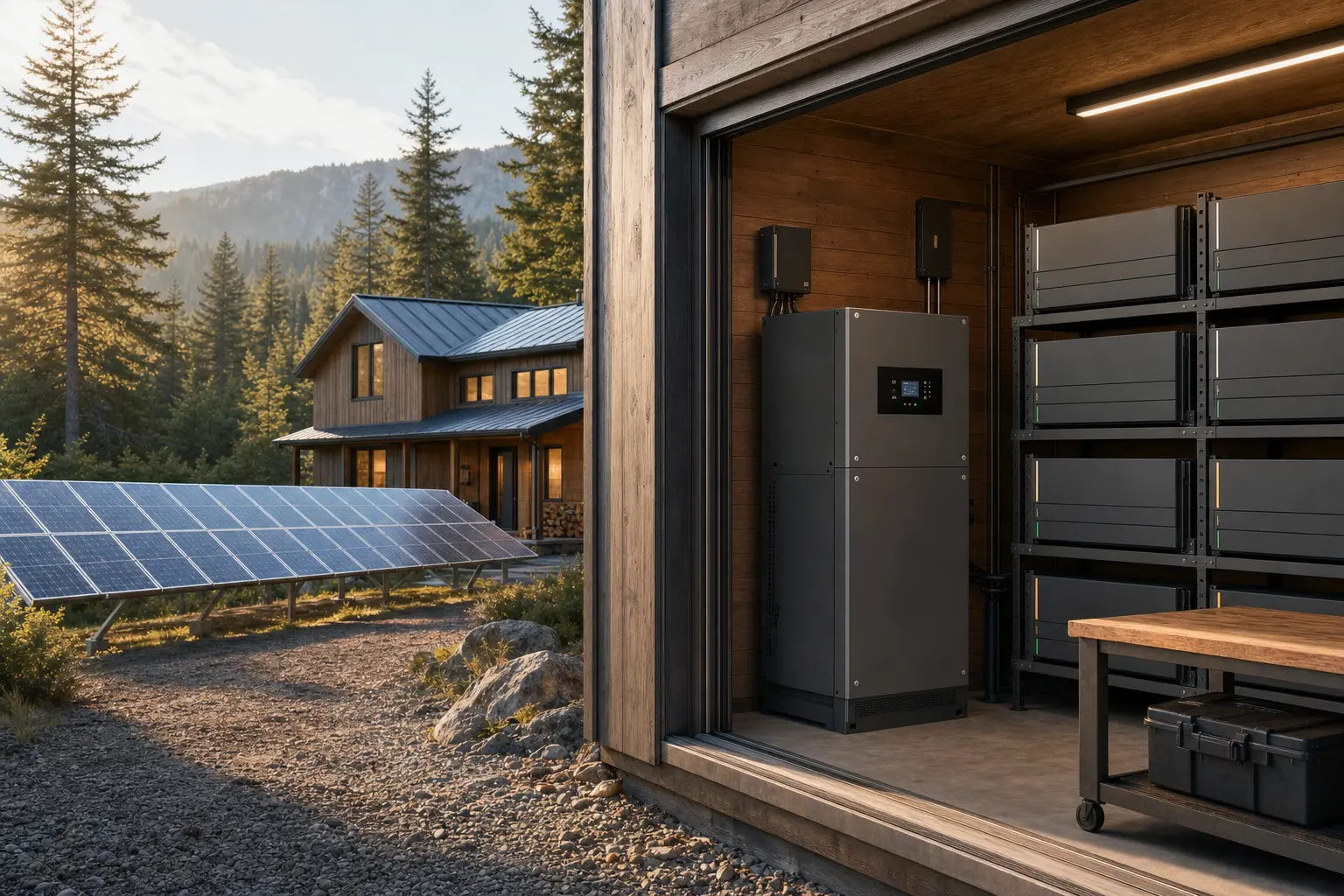 Example configuration
High-output off-grid equipment package
Remote homes, farms, and workshops can have several demanding 120/240 V loads but no dependable grid connection to absorb sizing mistakes or low-sun periods.
$11,946 equipment reference
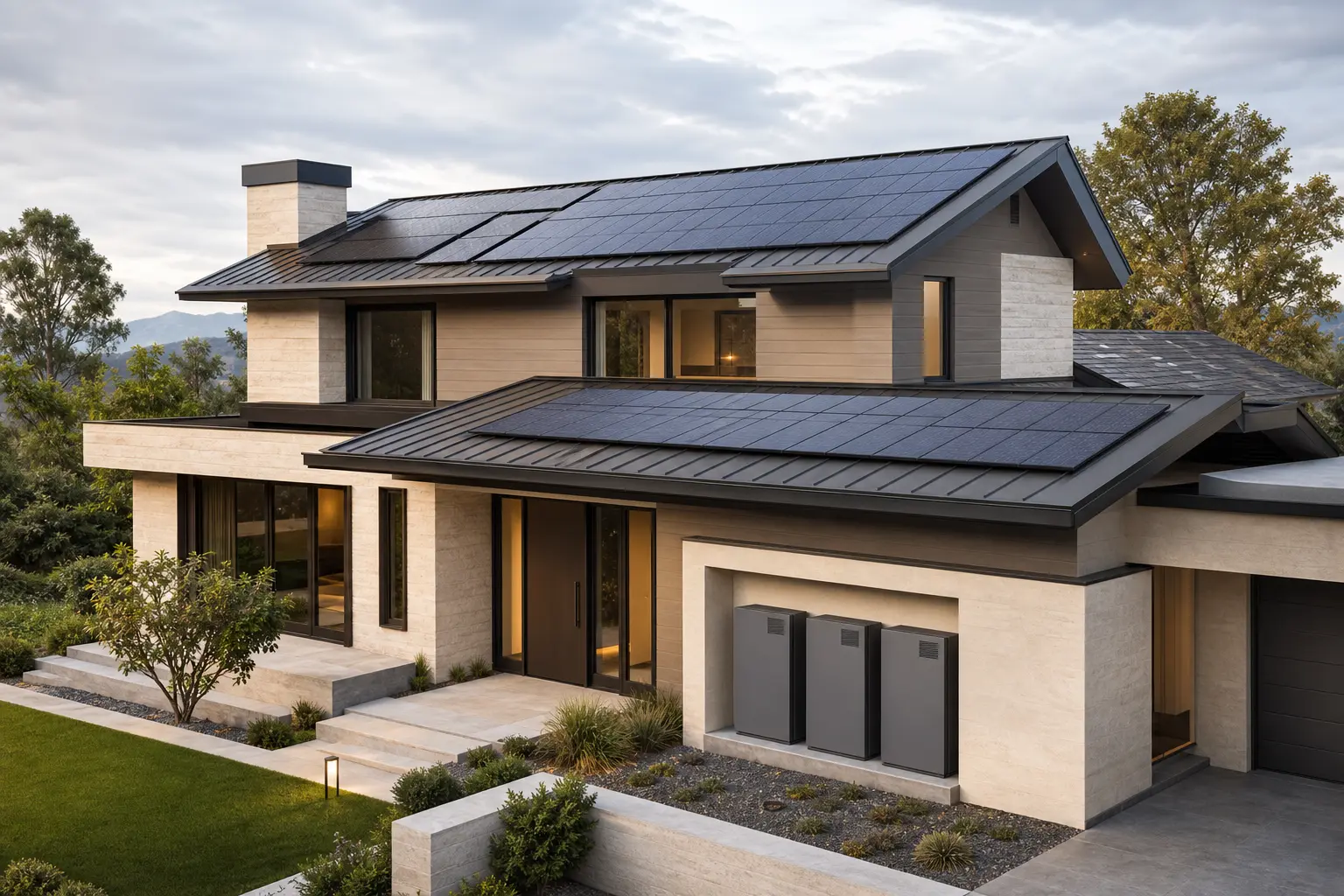 Example configuration
Solar System Installations Enphase-based configuration
Complex roof planes, localized shade, and changing backup goals can make a fixed, centrally converted solar-and-storage design harder to fit and expand.
$39,000–$46,500 installed estimate
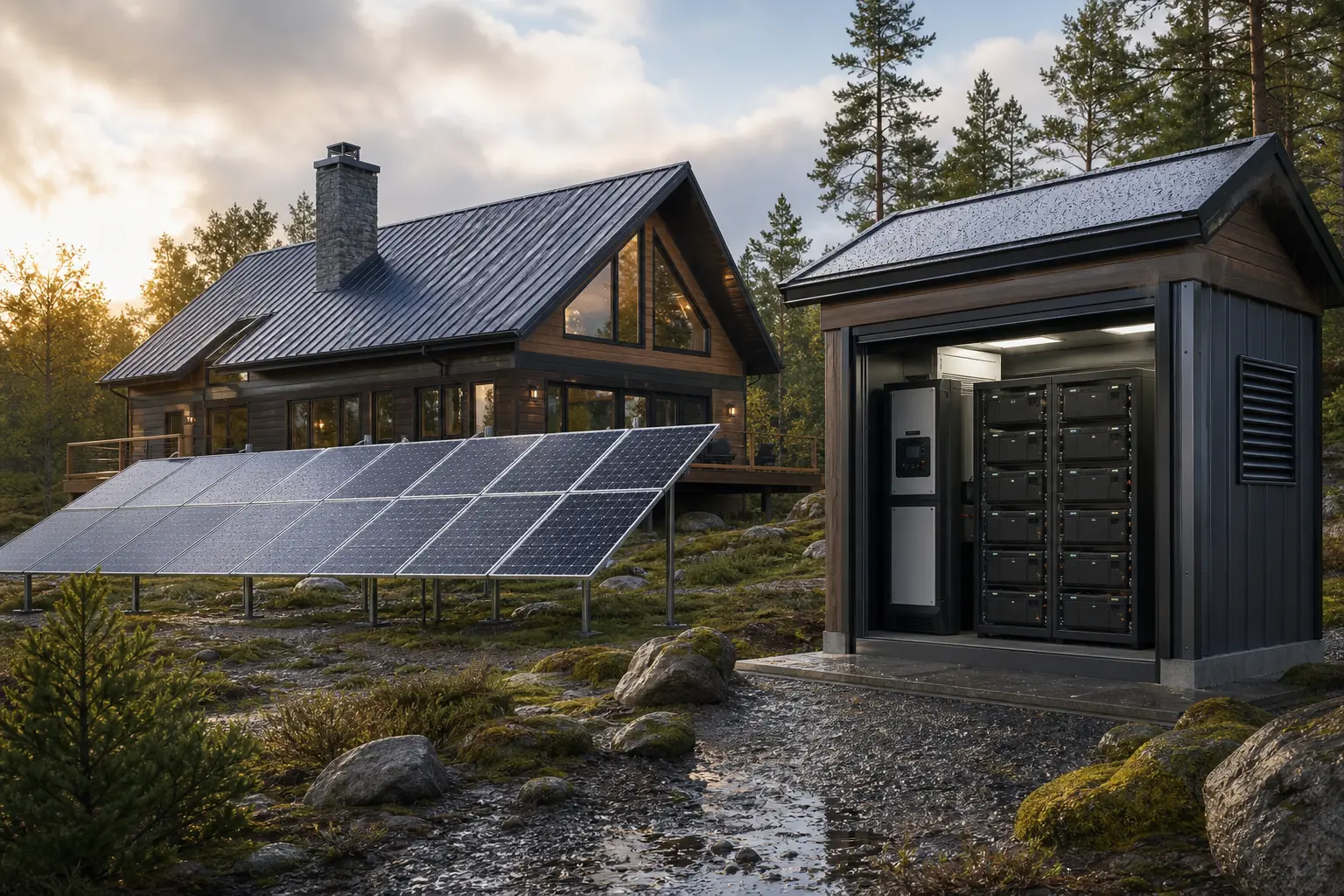 Example configuration
High-capacity battery configuration
Remote properties with high daily use or longer outage plans can outgrow smaller arrays and battery banks, but capacity alone does not establish whole-property independence.
$12,049.99 equipment reference
Coverage has layers
Equipment components and installation workmanship can have separate issuers, periods, exclusions, and remedies. Request the applicable documents before signing.
Read the warranty guideSolar installation questions
These answers are general guidance. Site-specific provider terms control.
A useful estimate starts with annual electricity use, roof or ground-mount space, shade, local production conditions, utility rules, and planned loads such as an EV or heat pump. Final sizing requires a site-specific design.
Not always. A battery may be worth evaluating for outage backup, time-of-use management, or limited export compensation. Solar-only may be suitable when the priority is daytime generation and the grid remains available.
Remaining utility charges, seasonal production, household usage, rate changes, system design, and interconnection rules all affect the bill after installation. A specific bill outcome should not be assumed.
On-site work may take days, while design, permitting, utility approval, equipment scheduling, inspection, and permission to operate can extend the overall project timeline. A provider should give a location-specific schedule.
Shade does not automatically rule out solar, but it can reduce output and usable array space. A provider should model the shade pattern and compare roof areas, ground mounting, trimming options, and the economics before recommending a design.
Take the next useful step
Explore a solar installation plan around your roof, electricity use, future loads, storage goals, and property requirements.
Get My Solar Match